
A staging environment from day one
Every change is seen and approved somewhere safe before it reaches your customers. You get a URL you can click in the first week and watch the thing being built.
Fixed price, a working staging URL in seven days, and an app you own outright — built by the studio behind a growing fleet of apps we run every day, with real customers and real infrastructure. Click any one of ours to see what that means.
Most people selling app development show you mockups and dead links. These are the products we built, launched, and still operate — a growing fleet we run every day — with working sign-up, working payments, and customers using them right now. This is the same system your app would be built on.
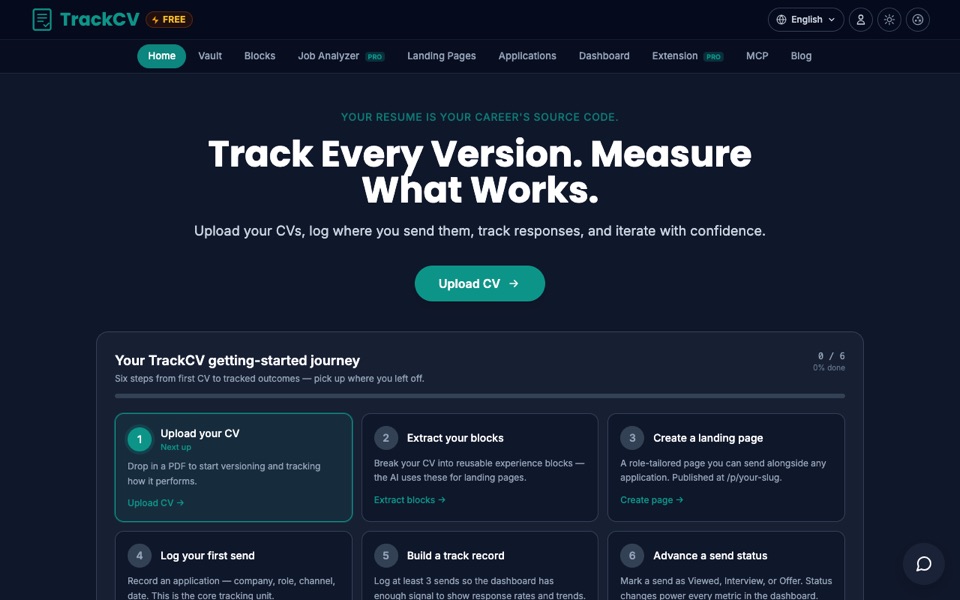
CV builder with open tracking
Auth, subscriptions, email delivery, per-recipient tracking
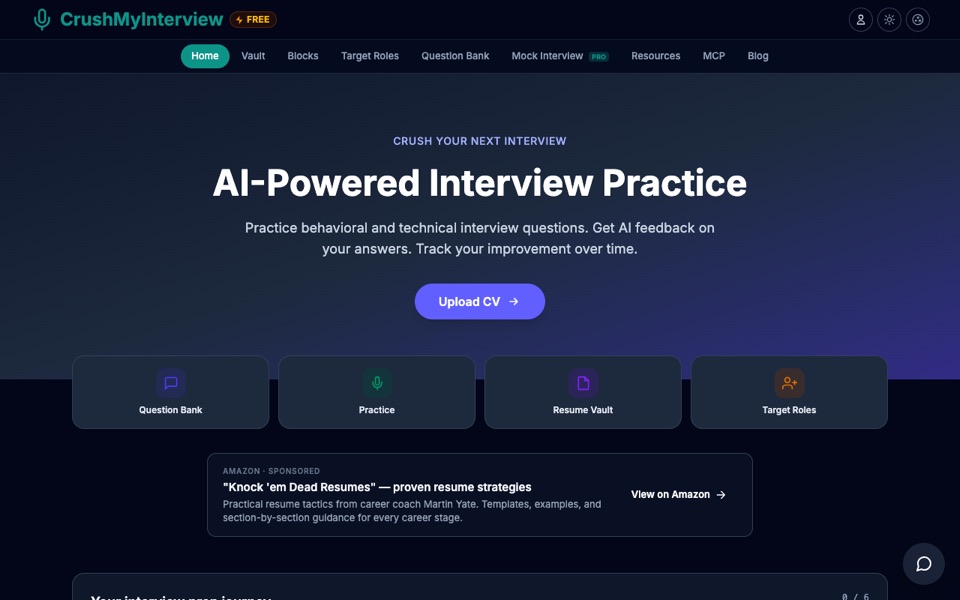
AI interview practice
LLM pipeline, spoken practice, usage metering
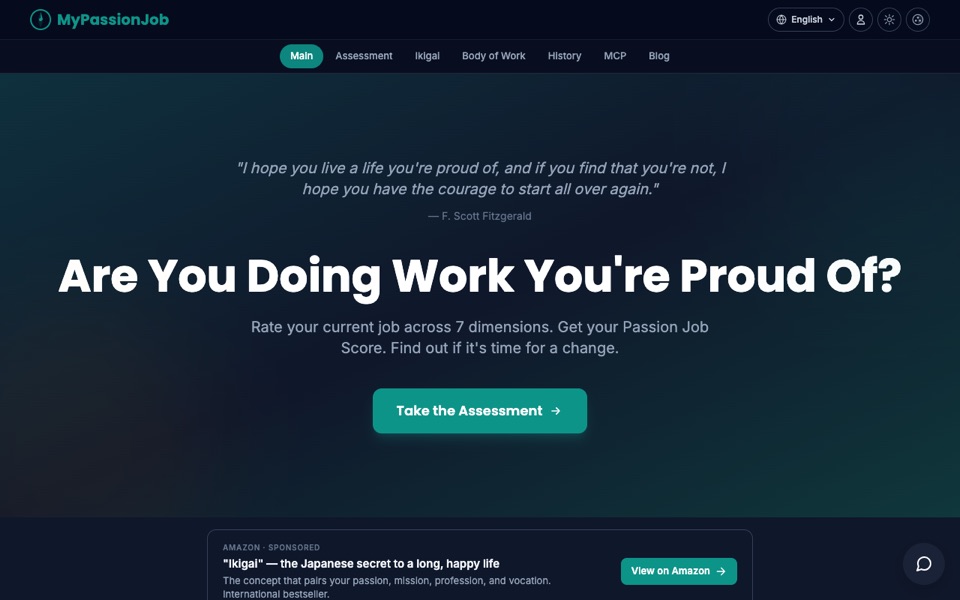
Career passion assessment
Scoring engine, nine languages, client-side privacy
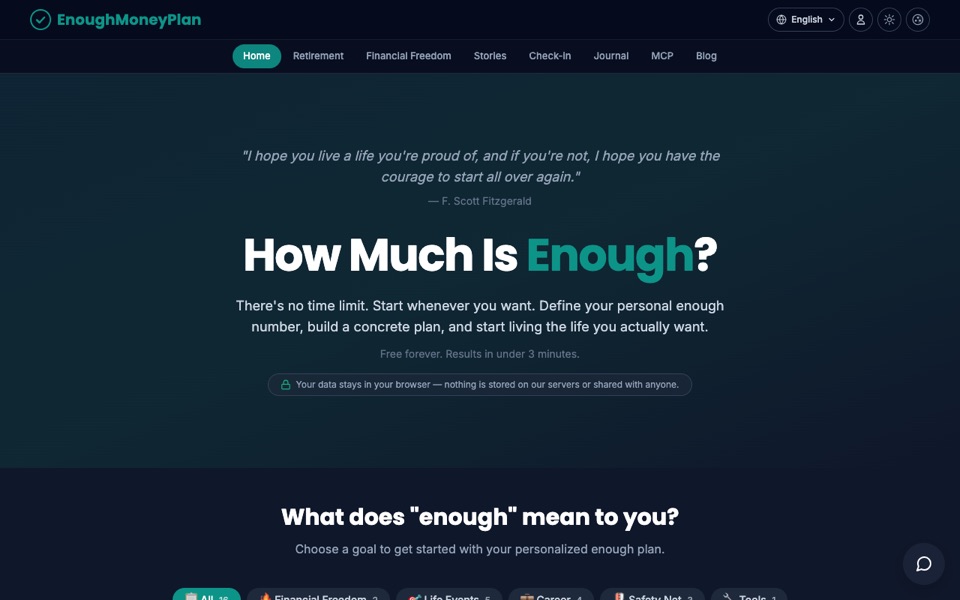
Financial independence calculator
Modelling engine, no server-side data at all
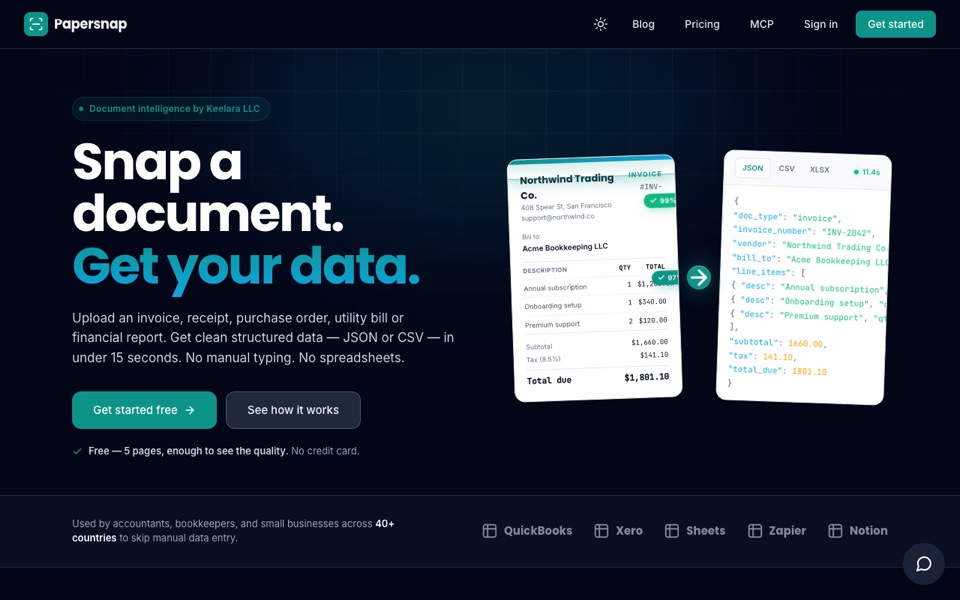
Receipts and invoices into data
OCR pipeline, teams and seats, API, iOS app
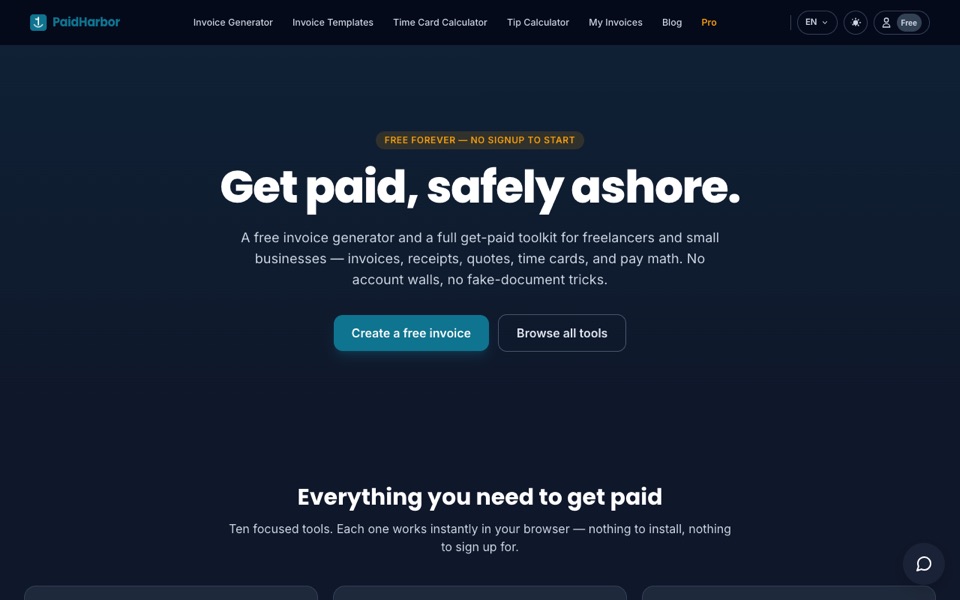
Invoicing for freelancers
Invoice engine, PDF generation, payment links
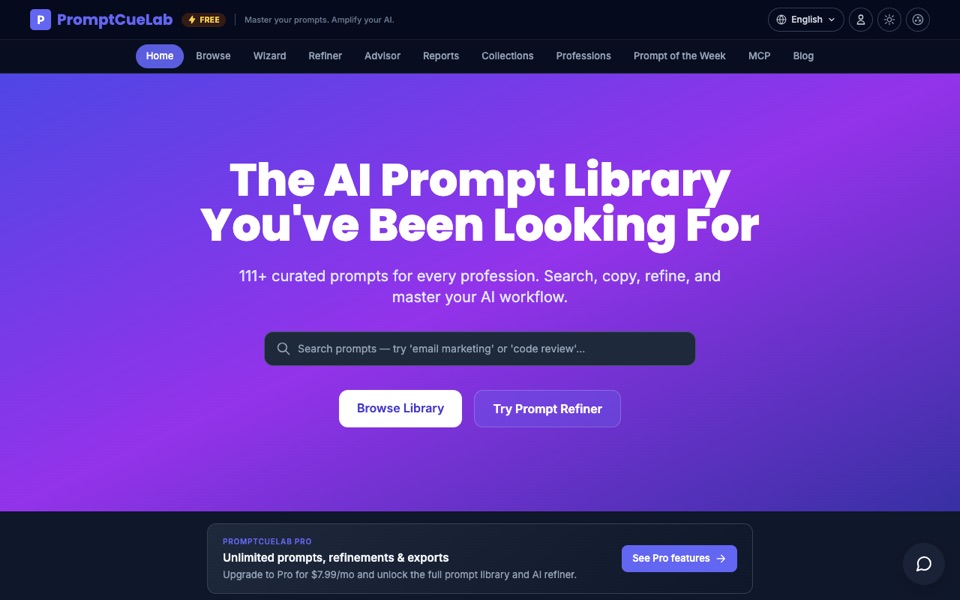
AI prompt library and refiner
OpenAI integration, subscriptions, device registry
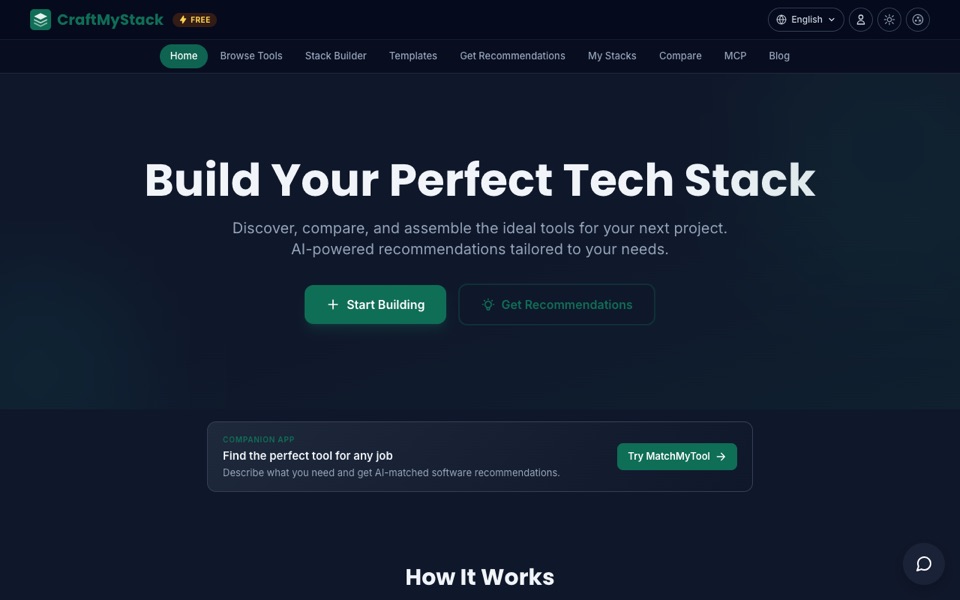
Tech stack recommendations
Recommendation engine, localised content overlays
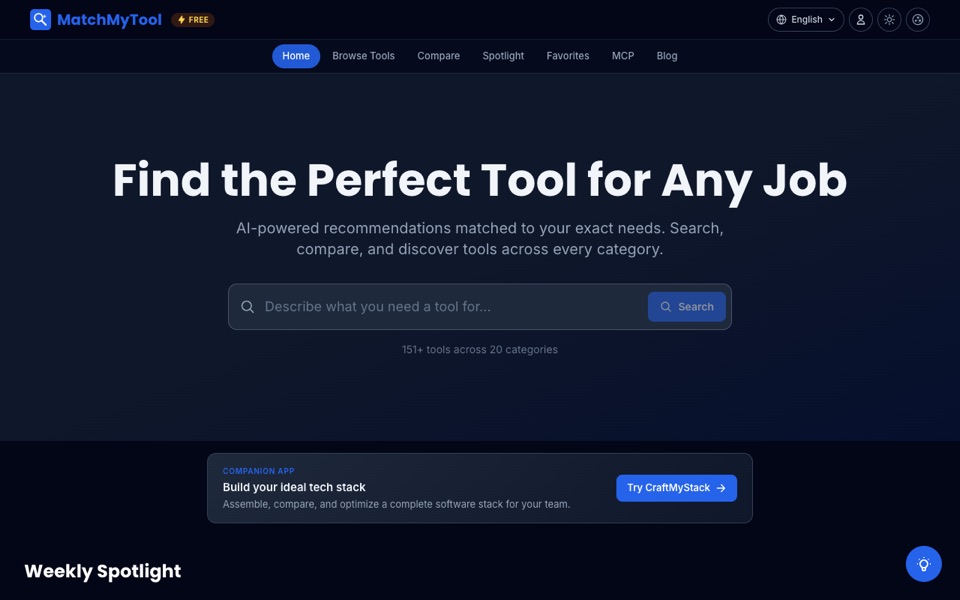
AI tool comparison
Comparison matrix, affiliate rails, nine languages
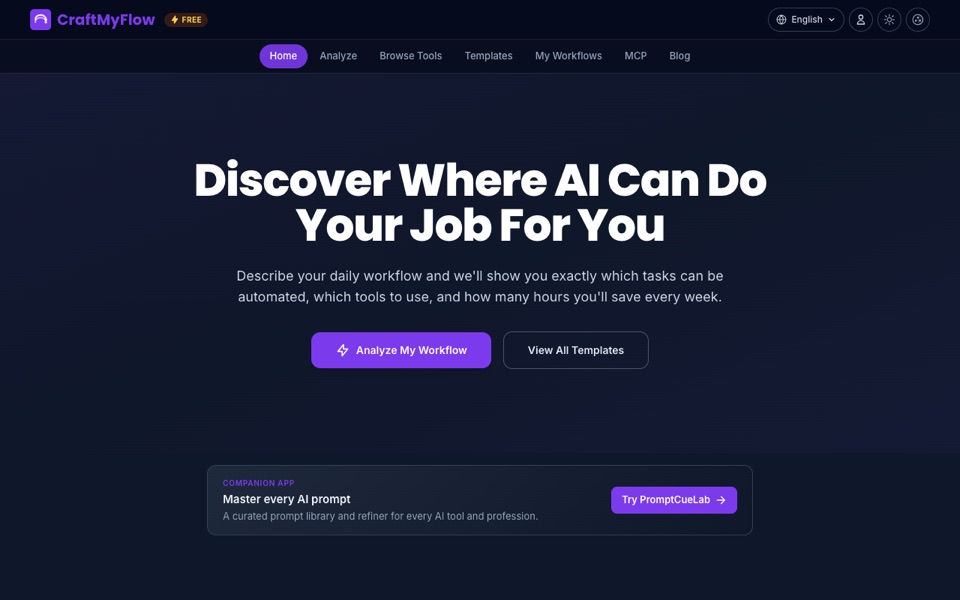
Workflow automation discovery
Workflow analyser, LLM routing, billing
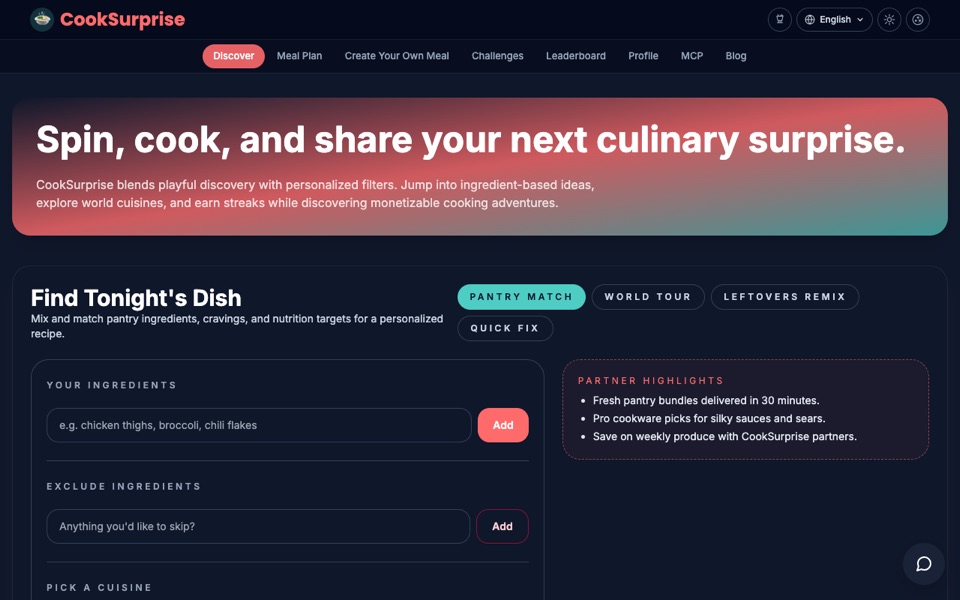
Recipe discovery
Image generation, recipe engine, GPU infrastructure
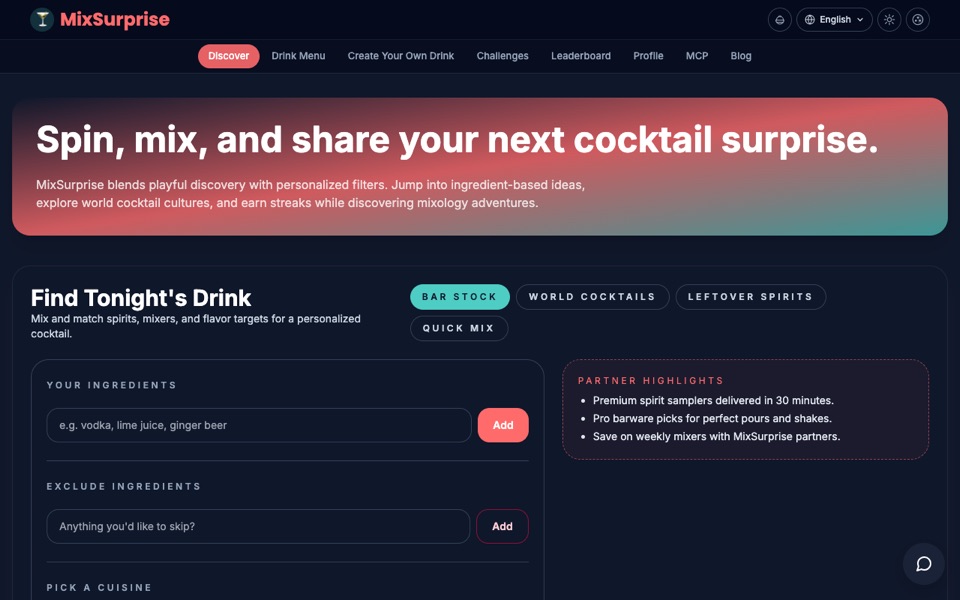
Cocktail discovery
Image generation, shared VPC, cost-optimised infrastructure
None of this is a premium add-on. It's what every product we own already runs on, so it's what yours starts with.
Every change is seen and approved somewhere safe before it reaches your customers. You get a URL you can click in the first week and watch the thing being built.
Subscriptions, monthly and annual pricing, upgrades, cancellations, refunds, failed-payment handling. The unglamorous part where most projects quietly break.
Real authentication, session handling, device management, account deletion, and a privacy posture that survives an app store review or a customer asking hard questions.
Automated test suites and deployment checks that run on every release. Not because it is fashionable, but because it is the difference between a fix taking ten minutes and taking a week.
Structured data, sitemaps, server-rendered content, and the markup that lets ChatGPT and Claude describe your product accurately. Increasingly this matters more than search rank.
Full translation of interface and content, not a machine-translated veneer over English. Most of our products ship in nine languages on day one.
Your app lives in your AWS account, on your bill, under your domains, in a repository you control. On full payment you own the application outright: its code, designs, content, data and brand. You also get the infrastructure templates, a deployment tool you can run yourself, and a written runbook.
The one thing we keep is the Blueprint — the reusable scaffolding, component libraries and operations tooling that every product we run is built on. You get a perpetual, irrevocable, royalty-free licence to every piece of it inside your app, which survives even if you fire us or we disappear. What you can't do is repackage it as a development toolkit for other people. That's the same toolkit our whole fleet of products runs on, and it's why yours costs $16,000 instead of $60,000.
If you ever want to stop working with us, you leave with a running system and the instructions to operate it. That's deliberate. Software you can't take with you isn't really yours.
Published, because a price you have to ask for is a price that changes depending on what you look like you can afford. These are fixed. If the work falls outside them, we'll tell you before you pay anything.
Before anyone commits to building anything. You end up with a document you own and a fixed quote you can hold us to — or take to someone else.
Most projects start here
A real, working product in front of real users.
For a product that has to earn money from day one.
An iPhone app to go with it, submitted to the App Store. We have been through that review process — it is its own discipline, and its timing belongs to Apple.
Every build includes three months of the Watch plan. Before it ends we send you an invitation with the tiers below. Nothing is charged unless you choose to continue — keep us on, or take the runbook and run it yourself.
Prices are in US dollars, exclusive of any applicable taxes. Payment is split across milestones that trigger on verifiable events — a staging URL you can open, a payment that clears — never on calendar dates. Open any package above for its full schedule.
The same sequence every time, whichever package you pick. Two of the stops are gates — points where either of us can get off without owing the other anything.
If a working staging URL is not live within seven days of the clock starting, you can walk away: whatever you have paid on that SOW is refunded and you owe nothing further. It is a clause in the contract, not a line in a brochure.
What shipped, what is next, what is waiting on you. Sent without you having to ask for it, so you never have to wonder how it is going.
Our side of the deal is a fixed price. Yours is timely decisions. If a review sits for two weeks the timeline moves by two weeks, and the milestone still falls due when the work is ready to review.
Anything outside the blueprint gets priced and agreed before we build it. Most requests stop right there, which is the clause doing its job — and if the same one comes up three times, it becomes part of the next package.
A milestone is accepted when you sign, or after seven business days with no written rejection. A rejection has to point at a specific acceptance criterion — that protects you as much as us.
The code, the infrastructure templates, the deployment CLI and the runbook are yours at handover whether or not you keep us on. Software you cannot take with you is not really yours.
$750 · one week
You commissioned an app. Maybe it half works, maybe the developer stopped replying, maybe you're not sure what you actually own. We'll look at it properly and tell you the truth.
The recommendation is independent. Sometimes the answer is "this is fine, it needs $2,000 of cleanup" — and if that's the answer, that's what the report says. Credited against a rebuild booked within 30 days.
Straight answers, the same ones we give on the fit call. If yours isn't here, ask us directly.
Prices are fixed and published. A Blueprint Sprint is $3,500 for one week and gives you a written specification, an architecture and a fixed build quote. Launch, a working web application with accounts, staging and production in your own AWS account, is $16,000 over three weeks. Launch+ adds subscriptions and billing, nine-language translation and search/AI discoverability for $29,000 over four weeks. A Native Companion iPhone app is an additional $22,000. A Rescue Audit of an app someone else built is $750. Prices are in US dollars, exclusive of taxes, and paid in milestones that trigger on verifiable events, never calendar dates.
A Blueprint Sprint takes one week. A Launch build takes three weeks and a Launch+ build four, with a working staging URL you can open within seven days of kickoff or you do not pay. An iPhone app adds four weeks plus Apple review time. Every build includes three months of monitoring and patching after launch.
You do. Your app is built in your AWS account, on your bill, under your domains, in a repository you control, and on full payment you own the application outright. At handover you receive the code, the infrastructure templates, a deployment tool you can run yourself and a written runbook. The reusable Blueprint underneath it stays ours, licensed to you perpetually and royalty-free, so you can leave with a running system and the instructions to operate it.
Web applications and SaaS products for founders and small businesses, with optional native iPhone companions. Typical builds include user accounts, subscription billing, multi-language support, AI features, dashboards, document and data tools, and the search and AI-assistant discoverability that lets customers find the product. We build on the same AWS serverless stack that runs our own growing fleet of apps.
We are a product company first. The team that builds your app also owns and operates a growing fleet of live apps with real customers, real subscriptions and real infrastructure, so estimates and trade-offs come from experience, not guesswork. There are no salespeople or account managers, prices are published rather than quoted, and there is a real US company and contract behind the work. If a cheaper route fits your situation better, we will tell you.
We reply personally within one business day and book a free 30-minute fit call. On the call we work out whether this is something we should build. If it is, the next step is a Blueprint Sprint; if it is not, we say so and point you somewhere better. Nothing is paid until a statement of work is signed.
Yes. A Rescue Audit ($750, one week) is an independent review of what actually exists versus what you were told, covering security, privacy and data risks, missing tests, documentation and backups, and what it would cost to stabilise. You get a straight recommendation to salvage or rebuild, with a number. The fee is credited against a rebuild booked within 30 days.
Keelara is a software company that builds and runs its own products. Keelara Studio is the same team, doing the same work, for other people.
That order matters. Most development shops build software for clients and have never had to live with the result — never handled a failed payment at midnight, never watched a launch land flat, never paid the infrastructure bill themselves. We run a growing fleet of products where all of that is our problem, every day.
So when we say something will take three weeks, or that a feature isn't worth building, we're not guessing. We've made the same call on our own products with our own money on the line, and we've been wrong often enough to know the difference.
You work directly with the people building your product. No salespeople, no account managers, no handing the project to someone you never meet. There's a real company here with a real contract behind it, so if something goes wrong you have somewhere to go — which is more than most of the alternatives can offer.
Keelara is new. The people in it are not. Three strands of work sit behind how we build, and each one shows up in what you get.
Years designing and reviewing systems for banks, insurers, government agencies, telecoms and airlines — the places where an outage is a regulatory event and every integration has to be defended in writing. Later, running technical due diligence across a portfolio of software companies for one of the large cloud providers, and advising their CTOs and founders on how their platforms were built.
Sowe design for the failure cases first, and we can explain any decision in your system to someone who has to sign off on it.
Before any of that: real-time command and control software for satellite systems, leading a development team on a global telemetry platform, commercial desktop applications shipped to retail, and test automation built for a compiler toolchain. Then years spent inside the discipline of how software gets built — change and release management, architecture review, and development process for organisations doing it at scale.
Sothe code, the tests and the deployment pipeline are the same craft to us, and none of it gets handed to someone junior.
Shareware first, sold directly to the people who used it. Then iPhone applications, through Apple’s review process and out the other side. Now 12 web products of our own, with real customers, real subscriptions and a real infrastructure bill arriving every month.
Sowe have made the commercial mistakes already — on our own products, with our own money — which is why we will tell you when something is not worth building.
Tell us what you're trying to build and roughly what it's worth to you. We'll reply personally — usually within a day — and if we're not the right fit for it, we'll say so.